Ghaziabad Police Station Rape Case: 78 Police Personnel Suspended in Lahore
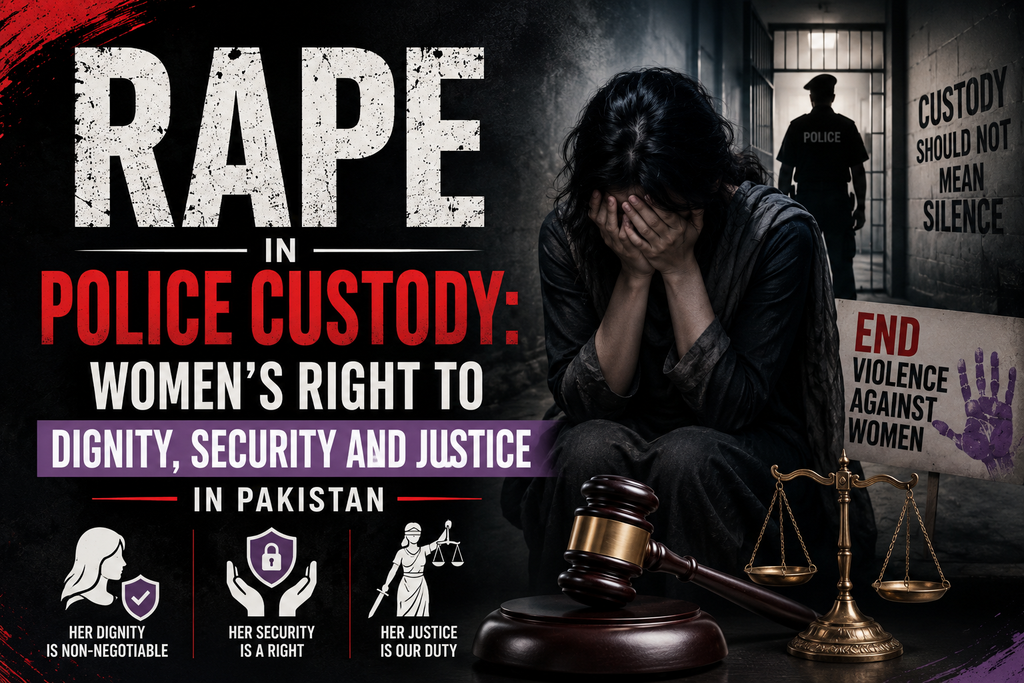

LAHORE, August 2026 — The Ghaziabad Police Station rape case in Lahore has raised serious concerns about police accountability, women’s safety and the protection of vulnerable people in Pakistan after an assistant sub-inspector (ASI) was accused of sexually assaulting a young woman inside a police station.
The alleged victim, described in police and media reports as around 19 to 20 years old and having an intellectual disability, reportedly identified the police officer and the room where the alleged assault took place.
Police registered a First Information Report (FIR) under Section 376 of the Pakistan Penal Code and Section 155-C of the Police Order 2002. The accused ASI was arrested as the investigation continued.
Authorities also suspended 78 police personnel posted at Ghaziabad Police Station, citing alleged negligence and failures of supervision.
The allegations remain subject to investigation and judicial proceedings. The accused is entitled to due process and the presumption of innocence unless proven guilty in court.
What Happened at Ghaziabad Police Station in Lahore?
According to the complaint and reports surrounding the case, the woman left her home and did not return for several hours.
Her family was reportedly informed that a police officer in civilian clothing had taken her away. After she returned home, she allegedly told her family that she had been taken to Ghaziabad Police Station in Lahore, where she said she was sexually assaulted.
Police later reported that she identified the accused officer and the room inside the police station where the alleged incident occurred.
The ASI was subsequently arrested and presented before a Lahore magistrate as investigators continued examining the allegations.
78 Police Personnel Suspended
One of the most significant developments in the Ghaziabad Police Station case was the suspension of all 78 personnel posted at the station.
The suspended officials reportedly included the station house officer, sub-inspectors, assistant sub-inspectors and other police personnel.
Authorities cited concerns over poor supervision, negligence and failure to prevent or report alleged misconduct.
The broad disciplinary action has raised an important question:
How should police authorities ensure the safety of vulnerable people inside police stations?
Police stations are state institutions where citizens should be able to seek protection and justice. Any allegation of serious abuse occurring inside such a facility therefore raises questions about both individual responsibility and institutional oversight.
Lahore Police Rape Case Raises Questions About Accountability
The allegations have intensified debate over police accountability in Lahore and across Pakistan.
Police officers have significant authority over citizens, including the power to investigate complaints, detain individuals and control access to police facilities.
That authority comes with a responsibility to protect human dignity and fundamental rights.
When an officer is accused of serious misconduct, investigators must examine not only the individual allegations but also whether proper procedures, supervision and safeguards were in place.
Women’s Safety and Human Rights in Pakistan
The Ghaziabad Police Station rape case has also brought renewed attention to women’s safety in Pakistan.
Women who approach police stations may already be experiencing difficult or dangerous circumstances. Police facilities should therefore provide a safe environment where victims and witnesses can report crimes without fear of intimidation, discrimination or abuse.
Allegations of sexual violence inside a police facility can also undermine public confidence in law-enforcement institutions.
For women and other vulnerable people, trust in the police is an essential part of access to justice.
Concerns Over the Treatment of a Woman With an Intellectual Disability
Reports have described the alleged victim as having an intellectual disability.
People with disabilities can face additional challenges when reporting alleged abuse and navigating the criminal justice system.
Authorities should therefore ensure that appropriate safeguards are available, including:
- Access to legal assistance
- Appropriate communication support
- Medical and psychological assistance
- Protection from intimidation
- Privacy and dignity during proceedings
- Appropriate support throughout the investigation
Protecting vulnerable people is an important part of the state’s human-rights responsibilities.
Why Police Supervision Matters
The suspension of 78 personnel has put the issue of police supervision under the spotlight.
A police station operates through a chain of command. Senior officers and station supervisors have responsibilities concerning security, staff conduct and the treatment of people entering the premises.
An investigation should therefore determine whether established procedures were followed and whether any supervisory failures contributed to the alleged incident.
The investigation should remain evidence-based and should distinguish between criminal responsibility, administrative responsibility and allegations that have not yet been proven.
Evidence and Independent Investigation Are Crucial
A credible investigation is essential to establish what happened.
Investigators should examine all relevant evidence, including where applicable:
- CCTV footage
- Forensic evidence
- Medical examination records
- Police station records
- Duty rosters
- Witness statements
- Entry and visitor records
- Communications and other relevant evidence
Evidence should be preserved and examined through proper legal procedures.
At the same time, the alleged victim should be protected from unnecessary exposure, intimidation or retaliation.
The Importance of Due Process
Cases involving allegations against police officers require a careful balance.
The alleged victim has the right to seek justice, protection and a proper investigation.
The accused officer also has the right to due process, legal representation and the presumption of innocence.
A fair judicial process is essential to ensuring that accountability is based on evidence rather than public pressure.
What Should Authorities Do?
The Ghaziabad case highlights several measures that could strengthen police accountability in Pakistan.
1. Conduct a transparent investigation
The allegations should be investigated thoroughly and impartially.
2. Protect the alleged victim
The woman and her family should receive appropriate protection from intimidation or retaliation.
3. Preserve all available evidence
Relevant CCTV, forensic and documentary evidence should be secured and examined.
4. Investigate supervisory failures
Authorities should determine whether officers responsible for supervision followed established procedures.
5. Strengthen safeguards for vulnerable people
Police departments should develop stronger procedures for people with disabilities and other vulnerable individuals.
6. Improve police-station monitoring
CCTV, visitor records and supervisory systems should be regularly reviewed to strengthen accountability.
7. Protect due process
The investigation and court proceedings should protect the rights of both the complainant and the accused.
What Does the Ghaziabad Case Mean for Pakistan?
The Ghaziabad Police Station rape case in Lahore goes beyond one police station.
It raises broader questions about women’s safety, police accountability, disability rights, institutional oversight and access to justice in Pakistan.
People who enter police stations—whether they are victims, witnesses, suspects or family members—should be treated with dignity and protected from abuse.
Police institutions cannot effectively serve the public if citizens fear the very authorities they approach for help.
Human Rights and Police Accountability in Pakistan
The protection of human rights requires effective institutions capable of preventing abuse and holding individuals accountable when allegations arise.
Police officers are entrusted with considerable power. Ensuring that this power is exercised lawfully and responsibly is fundamental to public trust.
The Ghaziabad case therefore provides an opportunity for authorities to examine whether existing safeguards are sufficient and whether additional reforms are needed.
Latest Updates on the Ghaziabad Police Station Case
The case remains an ongoing legal matter.
The accused officer has been arrested and the investigation is continuing. The suspension of 78 police personnel has also placed institutional accountability at the centre of the case.
Further developments—including investigation findings, forensic evidence, court hearings and any subsequent charges or decisions—will be important in establishing what ultimately occurred.
This article should be updated whenever a significant new development occurs.
Conclusion
The Ghaziabad Police Station rape case in Lahore has raised serious concerns about women’s safety, police accountability and the protection of vulnerable people inside state institutions.
The arrest of the accused ASI and suspension of 78 police personnel demonstrate the seriousness of the allegations. However, meaningful accountability will ultimately depend on a transparent investigation, reliable evidence, protection of the alleged victim and a fair judicial process.
A police station should be a place where citizens can seek protection and justice—not a place where they fear becoming victims of abuse.
For Pakistan, strengthening police accountability and protecting vulnerable people are essential steps toward ensuring human dignity, equality, justice and public trust in law enforcement.