Religious Freedom and Minority Rights
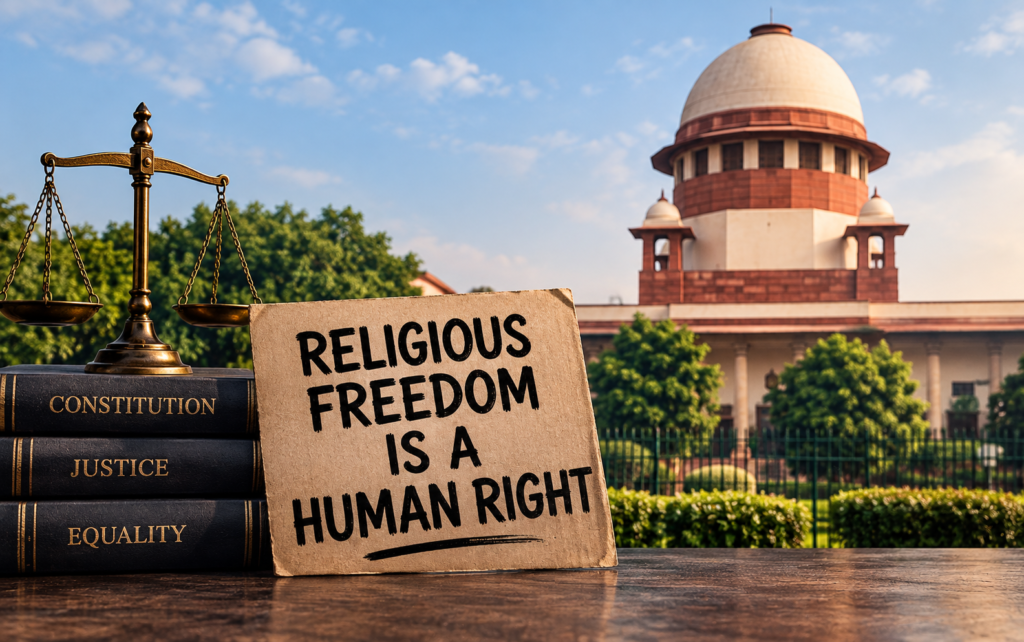
Religious freedom and equal protection remain important human rights issues in India.

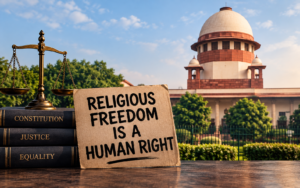
Freedom of religion is a fundamental human right. It includes the right to hold or change one’s beliefs and to practice religion without discrimination or persecution. When members of minority communities face prolonged detention or restrictions because of their identity, beliefs, advocacy or peaceful activities, questions arise about due process, equality before the law and freedom of religion.
The Johal case has become a prominent example in the current debate. According to USCIRF, he was arrested in 2017 under India’s Unlawful Activities (Prevention) Act (UAPA). The commission has criticized the use of counterterrorism legislation in cases involving religious minorities.
Broader Concerns
The debate extends beyond one individual case. USCIRF has previously expressed concerns about discriminatory legislation, alleged arbitrary detention of religious figures and violence affecting minority communities in India. India has rejected such assessments, with Indian officials arguing that international criticism of the country’s religious-freedom record is biased and does not accurately reflect India’s pluralistic society.
Other recent developments have also generated debate. Christian religious leaders in Karnataka, for example, have called for the repeal of the state’s 2022 religious-conversion law, arguing that it can interfere with freedom of religion and expression. Government supporters have defended such legislation in terms of preventing coercive or fraudulent conversions.
The Human Rights Perspective
From a human-rights perspective, the central questions are whether people accused of serious offences receive fair trials, timely judicial review and due process, and whether laws are applied equally regardless of religious identity.
International human-rights principles protect freedom of thought, conscience and religion and prohibit discrimination on religious grounds. Counterterrorism measures can be legitimate when addressing genuine security threats, but human-rights standards also require that such measures respect fundamental legal protections.
Conclusion
The recent debate over religious minorities in India highlights the difficult balance between national security measures and fundamental rights. The case of Jagtar Singh Johal, together with continuing disagreements over religious-freedom laws and minority protections, has drawn renewed international scrutiny.
For human-rights advocates, the key issues remain equality before the law, freedom of religion, protection from discrimination, due process and the right to a fair trial. Continued independent judicial oversight and transparent investigations are important to determining whether these rights are being adequately protected