US-Iran Tensions Escalate as Strait of Hormuz Becomes Global Flashpoint
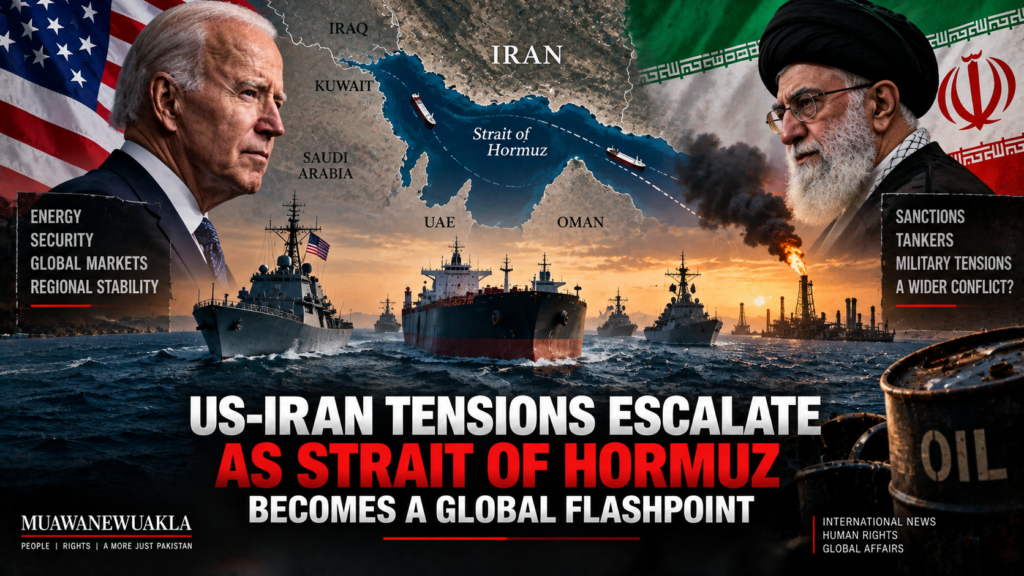
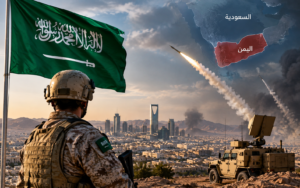
Illustrative graphic showing rising US-Iran tensions around the strategically important Strait of Hormuz.

September 6, 2026 | International Affairs
The confrontation between the United States and Iran is entering another dangerous phase, with the Strait of Hormuz once again at the centre of international attention.
The strategically important waterway has become a major pressure point in the conflict after Iran claimed it struck an unmanned U.S. vessel attempting to enter the strait. Washington rejected the claim. The latest dispute followed U.S. strikes on Iranian oil tankers and Iranian missile attacks targeting U.S. naval forces, according to reports from the Associated Press.
What happens next could have consequences far beyond the Middle East.
The Strait of Hormuz is one of the world’s most important routes for energy shipments. If the confrontation continues to disrupt commercial traffic, the consequences could include higher oil prices, increased shipping costs and renewed inflationary pressure across the global economy.
Why the Strait of Hormuz Matters
The Strait of Hormuz connects the Persian Gulf with the Gulf of Oman and the Arabian Sea.
For decades, it has served as a critical route for oil and other energy shipments leaving the Gulf. Countries across Asia and other parts of the world depend heavily on supplies moving through the waterway.
That makes Hormuz more than a geographic chokepoint.
It is an important part of the global energy system.
Even without a formal closure, increased military activity can discourage shipping companies from using the route. Tankers may face higher insurance costs, longer journeys and greater security risks.
This is why the current Strait of Hormuz crisis is being closely watched by governments, energy companies and financial markets.
Shipping Traffic Under Pressure
One of the clearest signs of the growing crisis is the reduction in commercial shipping.
Reuters reported that only a small number of commodity vessels crossed the strait on September 3, significantly below the normal 10-day average. The figures also do not capture vessels that have switched off their tracking systems.
The decline is important because a waterway does not have to be completely blocked to create an economic shock.
If shipping companies decide that the security risks are too high, vessels can stay away even while the waterway technically remains open.
That can effectively reduce the amount of energy reaching international markets.
Oil Prices Become a Major Concern
The biggest economic concern is oil.
The possibility of prolonged disruption around Hormuz has already contributed to higher oil prices. Brent crude was reported at around $96 per barrel on September 4, significantly higher than levels seen before the current war.
If tensions continue, markets could become increasingly concerned about the availability of crude oil and petroleum products.
Higher oil prices can eventually affect ordinary consumers.
The impact can appear through:
- Higher petrol and diesel prices
- More expensive air travel
- Increased transportation costs
- Higher manufacturing expenses
- More expensive food and consumer products
- Additional inflationary pressure
In other words, an American-Iranian confrontation in the Gulf can eventually become an economic problem for people thousands of kilometres away.
Iran Faces Growing Economic Pressure
Iran is also dealing with serious economic pressure.
U.S. sanctions and restrictions on Iranian oil exports have reduced Tehran’s ability to generate foreign currency. Reuters reported that the U.S. campaign has put increasing pressure on Iran’s oil exports and economy.
For Tehran, the Strait of Hormuz therefore represents both a security issue and a strategic source of leverage.
Iran has repeatedly demonstrated that it can threaten shipping in the region.
The United States, meanwhile, wants to prevent Tehran from using maritime pressure to offset the effects of sanctions and military pressure.
This creates a dangerous strategic confrontation.
The Risk of a Wider War
The greatest concern is that an incident involving one ship could quickly become something much larger.
The Gulf is crowded with commercial vessels, military ships and aircraft. A missile launch, drone incident or misunderstanding at sea could result in casualties and trigger another round of retaliation.
The competing claims surrounding the latest maritime incident show how quickly information can become part of the confrontation itself.
Iran says one thing.
The United States says another.
And independent observers may not immediately have enough information to determine exactly what happened.
That uncertainty makes the situation even more dangerous.
The Global Economy Is Watching
The Strait of Hormuz crisis is not only a Middle Eastern security story.
It is also a global economic story.
Asian economies are particularly exposed because a large proportion of Gulf energy exports traditionally move toward Asian markets.
But oil is traded internationally, meaning disruption in one region can affect prices elsewhere.
Higher energy costs can also create problems for developing economies that already struggle with inflation and foreign-exchange pressures.
For countries that import most of their fuel, another sustained increase in oil prices could put additional pressure on national budgets and consumers.
Why Diplomacy Matters
Military pressure may produce short-term strategic gains, but it does not necessarily provide a lasting solution.
The United States and Iran have competing security and economic interests, but continued escalation carries risks for both sides.
A diplomatic process could potentially address issues surrounding:
- Maritime security
- Oil exports
- Sanctions
- Regional military activity
- Commercial shipping
- Prisoners and detainees
- Wider regional security arrangements
The longer the confrontation continues without a political channel, the greater the possibility that another incident could push the situation beyond the control of either government.
What If the Strait Is Effectively Closed?
A complete closure of the Strait of Hormuz would represent a much more serious global crisis.
Alternative routes exist, including pipelines and other shipping corridors, but they cannot fully replace the normal capacity moving through Hormuz.
A prolonged disruption could therefore create a chain reaction:
Reduced shipping → tighter energy supplies → higher oil prices → higher transportation costs → increased inflation.
Governments could respond by releasing strategic petroleum reserves, increasing alternative supplies and encouraging companies to use different routes.
But these measures would not eliminate the underlying problem.
The longer shipping remains disrupted, the greater the pressure on the international economy.
A Crisis That Needs a Political Solution
The current US-Iran confrontation demonstrates why the Strait of Hormuz remains one of the world’s most sensitive geopolitical locations.
For Iran, the waterway provides strategic leverage.
For the United States, maintaining freedom of navigation and protecting its forces and commercial interests is a major priority.
For the rest of the world, the concern is much simpler: keep energy and commercial shipping moving safely.
The international community therefore has a strong interest in preventing the confrontation from becoming a prolonged regional war.
Conclusion
The US-Iran tensions and Strait of Hormuz crisis have moved beyond a conventional military confrontation. The situation is increasingly affecting international shipping, energy markets and concerns about global economic stability.
Iran’s claims regarding the latest maritime incident have been rejected by the United States, while Washington and Tehran continue to exchange accusations and military pressure.
At the same time, commercial traffic through Hormuz remains well below normal levels, adding to concerns about the future of global energy supplies.
The most important question now is whether Washington and Tehran can prevent another military incident from triggering a much wider conflict.
The Strait of Hormuz is too important for the world economy to become a permanent battlefield.
The longer tensions remain unresolved, the greater the risk to shipping, energy security, economic stability and civilians across the region.
About the Author
This report was written by Qundeel Hassan, Senior Journalist and Human Rights Activist at Muawanewuakla. His reporting focuses on human rights, international affairs, freedom of expression, minority rights, sectarian violence and justice.
Read more of his reporting on the Qundeel Hassan author page.


USA is clearly losing the war and Trump is doing biggest political blunders