Gaza: UN Raises War-Crimes Concerns After Hundreds of Bodies Found in Rubble
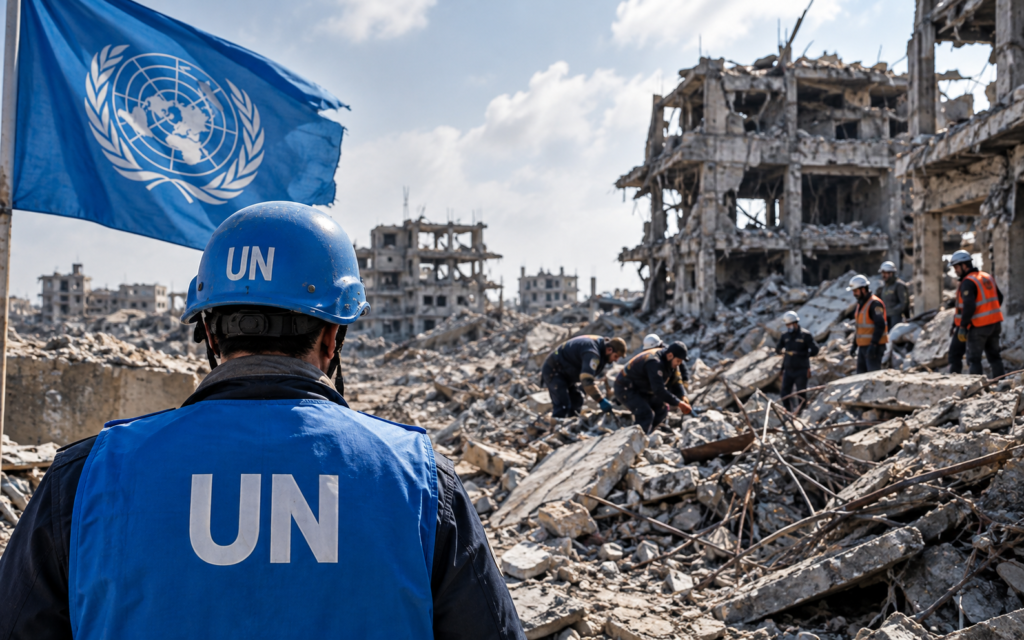
UN concerns grow as human remains are recovered from rubble in Gaza.

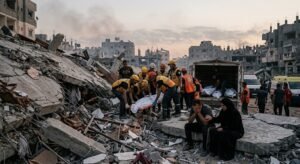
The United Nations has raised fresh concerns over possible war crimes in Gaza after hundreds of human remains were recovered from the rubble of buildings destroyed during the conflict.
UN High Commissioner for Human Rights Volker Türk said the discovery of extensive remains in Gaza City has renewed concerns about possible war crimes and other atrocity crimes. Many of the recovered victims are reportedly women and children, while some remains appear to belong to entire families.
The developments have increased calls for international investigators to be given access to Gaza to help preserve evidence and investigate what happened at sites where people were killed and buried beneath destroyed buildings.
Hundreds of Bodies Recovered From the Rubble
According to reporting by Reuters, more than 630 bodies have been recovered from rubble in Gaza. The recovery efforts have been complicated by the scale of destruction and difficulties obtaining heavy equipment and forensic supplies.
The United Nations has warned that thousands of people may still be buried beneath the enormous quantities of debris left by the war. UN estimates cited by Reuters indicate that clearing the rubble could take years.
For families who have spent years waiting for information about missing relatives, the discovery of human remains is both devastating and significant. Identifying victims can help families establish what happened to their loved ones and can also provide important evidence for future investigations.
UN Calls for International Investigators
Volker Türk has called for international investigators to be allowed access across Gaza to assist with evidence-gathering.
Such access is important because the condition and location of remains, destroyed buildings and other physical evidence can help investigators reconstruct events and determine whether international humanitarian law may have been violated.
The UN’s latest concerns follow earlier findings about attacks on residential buildings and civilian sites during the early stages of the war. Reuters reported that a 2024 UN report had raised concerns that some Israeli strikes may have violated international humanitarian law.
Why the Rubble Matters for War-Crimes Investigations
The rubble across Gaza is not simply a reconstruction problem. It may also contain evidence that could be important for accountability.
Human remains, building damage, weapons fragments, personal belongings and the location of destroyed structures can potentially help investigators determine:
- Who was present when an attack occurred.
- Whether civilians were among those killed.
- What type of weapons were used.
- Whether a location was a civilian or military target.
- Whether precautions were taken to protect civilians.
- Whether an attack may have been disproportionate or otherwise unlawful.
International humanitarian law requires parties to armed conflicts to distinguish between civilians and combatants and to take precautions to reduce harm to civilians.
This makes the preservation of potential evidence particularly important.
Thousands May Still Be Missing
The recovery of hundreds of bodies may represent only part of the scale of the problem.
Previous reporting has indicated that thousands of people could still be trapped beneath Gaza’s destroyed buildings. A September 2026 report cited estimates that more than 8,000 people may remain buried beneath the rubble.
The enormous quantity of debris has made recovery operations extremely difficult. Heavy machinery and forensic equipment are needed to safely search destroyed buildings and identify human remains.
Earlier warnings from UN experts and human-rights organizations have also focused on the possibility that removing rubble without proper documentation could destroy evidence relevant to future investigations.
Families Face a Second Tragedy
For families searching for missing relatives, the recovery of remains can bring painful confirmation after years of uncertainty.
Many families have been unable to properly bury their relatives because bodies remain beneath destroyed homes and other structures. The inability to recover and identify victims also makes it difficult for families to obtain official confirmation of deaths.
The issue therefore extends beyond criminal accountability. It is also a matter of human dignity and the rights of families to know the fate of their loved ones.
Israel’s Position
Israel has repeatedly maintained that its military operations are directed against Hamas and that it seeks to comply with international law while taking measures to reduce civilian harm.
The latest UN comments concern possible violations and do not constitute a final judicial determination that war crimes occurred in any particular incident.
Determining criminal responsibility requires independent investigation, examination of evidence and, where appropriate, judicial proceedings.
The Human Rights Dimension
The discovery of bodies beneath Gaza’s rubble highlights several fundamental human rights concerns.
These include the right to life, protection of civilians, human dignity, the rights of families of missing persons, and access to justice.
International investigations could play an important role in documenting what happened at destroyed sites and preserving evidence for future accountability mechanisms.
The UN’s call for investigators to access Gaza reflects growing concern that evidence could be lost if destroyed sites are cleared without proper forensic documentation.